How Any UK School Can Build a Culture of Everyday Entrepreneurship
Entrepreneurship can and should start long before university, and UK primary and secondary schools can build a culture where pupils see themselves as problem‑solvers, creators, and community change makers, not just exam‑takers. An entrepreneurial mindset is probably one of the most important life skills that a young person needs. Waiting until children turn into teenagers is leaving it too late (although better late than not at all).
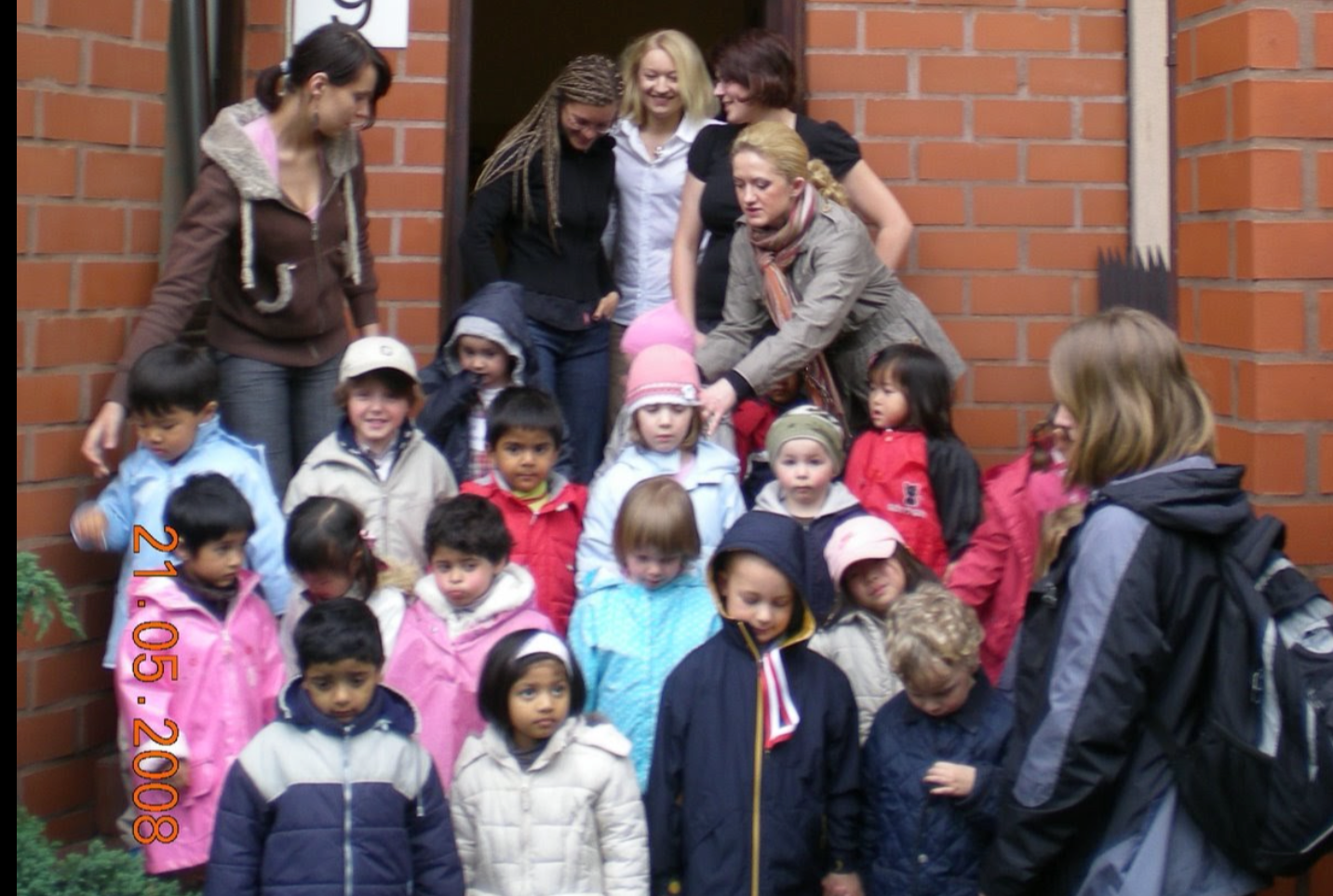
Polish pre-schoolers visiting a company during Global Entrepreneurship Week
In my role as cofounder of CAMentrepreneurs I often come into contact with people who have “something to do with entrepreneurship” in their job title. When appropriate I ask whether the schools they are closest to are good at supporting a pro-entrepreneurship culture. This article is about what that means in practice.
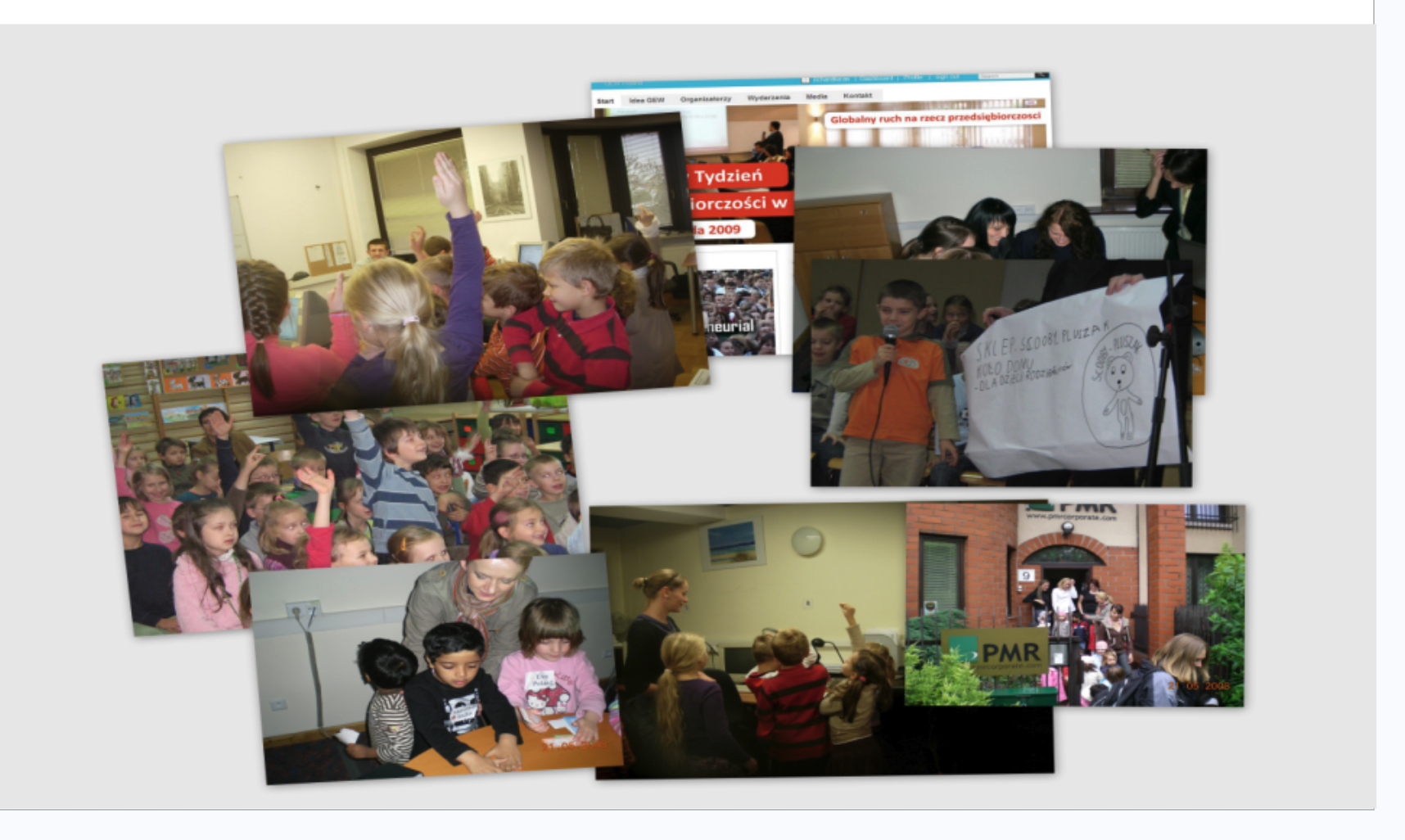
7-10 year olds participating in entrepreneurship workshops, Kraków, Poland 2008/9
I've been active in supporting low/no‑cost school entrepreneurship projects since the late 1980s, in a variety of different settings in Europe, North America, Africa, and Asia. To change things at the level of an individual school is not a question of money, rather the commitment and energy of at least one parent, teacher, or pupil.
Why this matters
In schools, a pro‑entrepreneurship culture means pupils are encouraged to notice problems, come up with ideas, test them, and learn from what goes wrong as well as what works.
It also means pupils, teachers and leaders are open to trying new approaches in lessons, clubs, and school life, instead of only “teaching to the test”.
For pupils, this can lead to:
Stronger confidence and initiative.
Better teamwork, communication, and leadership skills.
A clearer sense that they can shape their own future, not just wait for opportunities to be given to them.
Helping them learn how to switch on their entrepreneurial radar, so they start being sensitised to what opportunity looks like, and when to be careful.
For teachers and schools, it can:
Make learning more engaging and relevant.
Build links with local employers, parents, alumni, and community groups.
Support existing priorities like careers guidance, PSHE, and civic engagement, rather than adding a completely new burden.
Mindset: more than “starting a business”
For school‑age children, entrepreneurship is not just about forming companies but also about mindset:
Spotting opportunities: “Our playground is messy—could we organise a rota or design better bins?”
Taking initiative: “Let’s start a coding club / podcast / mini‑enterprise for the school fair.”
Being resilient: understanding that projects may fail and that this is normal and valuable.
A school that values this mindset:
Praises effort, initiative, and learning from mistakes, not just top marks.
Allows low‑risk experiments: small projects, clubs, events, and competitions where pupils can try things without fear of punishment if they don’t work perfectly.
Treats entrepreneurship as a way of thinking that can be applied to art, science, sport, and community projects, not just “business studies”.
A simple example: instead of only teaching about companies in a textbook, a teacher could ask pupils to design a product for a real problem in school, survey potential “customers” (classmates), create a basic budget, and reflect on what they’d change next time.
Leadership, teachers, and the whole‑school culture
Strong leadership helps, but change does not have to be top‑down. Heads, senior leaders, and classroom teachers can each play a role.
School leaders can:
Publicly value entrepreneurial activities in assemblies, newsletters, and prize‑givings (e.g. “Changemaker of the Term” awards).
Make space in the calendar for enterprise days, project weeks, or social‑action projects.
Support teachers who pilot new activities and protect them from being blamed if initial attempts are messy, as long as lessons are learned and shared.
Teachers can:
Build small entrepreneurial tasks into existing lessons (design, test, reflect).
Use project‑based learning where pupils run mini‑ventures, campaigns, or events.
Invite local entrepreneurs, parents, or alumni to speak about both successes and failures, so pupils see realistic role models.
Parents/alumni can:
Come into school to give talks, mentoring, and workshops about their companies.
Host visits to their companies or places of work.
Make themselves available to people who want to interview them about what they've done, how they did it, and lessons learned.
Pupils can:
Approach the school authorities to find out the rules and conditions under which they can start a school entrepreneurship club or a mini‑enterprise in school.
Contact national and international youth entrepreneurship support organisations to find examples of other entrepreneurship projects going on in their county/country. If they meet resistance from the school authorities, they can use these examples to persuade them that it is feasible. See how they can enrol either as individuals or as a school.
Put a notice in the school magazine or on the website announcing the intention of starting a club and looking for supporters.
A pro‑entrepreneurship culture is not “doing things for the sake of it”. New ideas should still be thought through, with a clear sense of purpose, cost, benefit, and workload for staff and pupils.
Practical steps for primary and secondary schools
Below are concrete ways to foster entrepreneurship in a UK school context, many of which can be done with minimal budget.
Pupil‑led projects and clubs
Encourage pupils to start and run clubs (with light‑touch staff oversight): coding, eco‑teams, podcasts, charity initiatives, arts collectives.
Use school fairs or charity days as opportunities for “mini‑enterprises” where pupils design products or services, plan costs/prices, and donate profits or reinvest.
In primary schools, keep it simple: lemonade stands at events, book swaps, poster campaigns to improve playground behaviour, or simple “inventions” to solve classroom problems.
Identify and interview entrepreneurs among the alumni and parent body, publishing details on the school website and in newsletters.
Organise competitions using new technologies like short‑form video, where pupils create and upload their pitches onto a video platform and the best can win prizes according to agreed criteria such as effort as well as feasibility.
Embedding enterprise across the year
Entrepreneurship is more powerful when it runs all year, not only during one “enterprise week”.
Schools can:
Add regular idea‑sharing sessions: “idea jams” at tutor time or PSHE where pupils suggest improvements to school life and pick one to test.
Run termly pitch events where pupils present projects to a panel of teachers, governors, or local business people.
Link enterprise projects to existing curriculum units (e.g. designing a sustainable product in Design & Technology, planning a campaign in English, or budgeting in Maths).
Leveraging alumni, parents, and local networks
Even at school level, alumni and parents are a major resource.
Pupils, teachers, and parents can:
Invite former pupils and parents who have started businesses, social enterprises, or creative projects to speak or mentor small pupil teams.
Offer “career stories” sessions where guests talk honestly about how they handled setbacks, changed direction, or created opportunities for themselves.
Develop light‑touch mentoring: a small group of pupils paired with an entrepreneur for one term, meeting a few times online or in person to discuss their ideas.
Communication and visibilityTo build culture, entrepreneurship needs to be visible:
Maintain a simple noticeboard (physical and digital) where events, competitions, and pupil projects are advertised.
Celebrate projects in assemblies, newsletters, and social media: highlight what pupils learned, not just whether they made money.
Make it clear how a pupil with an idea can get help (e.g. a named teacher, form tutor, or “enterprise coordinator”).
Understanding your starting point
Schools differ widely. Some already have strong enterprise programmes but low pupil engagement; others have enthusiastic pupils but little structure.
Leaders and staff could:
Run a short survey for pupils and teachers asking:
Do you know who to talk to if you have an idea for a project?
Have you ever taken part in a business, social‑action, or enterprise activity at school?
What stops you getting involved (time, confidence, not knowing what’s available)?
Use the results to identify gaps: awareness, ownership, or resources.
Acknowledging reality—both strengths and weaknesses—is the starting point for improvement.
Handling resistance, confusion, and pressure
In schools, resistance often sounds like:
“We have too little time; we need to focus on exams.”
“Our pupils aren’t interested in business.”
“We already do careers and work experience—why do more?”
Constructive responses include:
Showing how enterprise activities support existing goals: literacy, communication skills, numeracy, teamwork, and personal development.
Emphasising that entrepreneurship includes social and community projects, not just “making money”.
Starting with small, low‑risk pilots that fit into existing lessons or days rather than launching a big, extra programme.
It is also helpful to clarify that “entrepreneurship support” is not the same as general employer engagement or fundraising. The core is helping pupils take initiative, create value for others, and learn from taking considered risks.
Adapting global ideas to local UK context
Different communities and regions have different levels of resources and opportunity. That should shape how entrepreneurship is done, but it must not become an excuse for doing nothing.
Low‑cost, high‑impact actions include:
Talks by local entrepreneurs or community leaders.
Simple networking events in school between pupils and adults from varied careers.
Encouraging pupils to enter local or national enterprise competitions (e.g. those run by charities, councils, or business groups) where available.
Reading and learning from examples of thriving entrepreneurial ecosystems can help school leaders and teachers imagine what is possible in their own context, even at a smaller scale.
A call to action for UK schools
Any UK primary or secondary school can take first steps towards an entrepreneurial culture without waiting for a national initiative or large funding. The most important moves are to value initiative, create visible pathways for pupil ideas, and protect thoughtful experimentation from blame when it does not immediately “succeed”.
A practical starting point for an interested teacher, parent, or pupil:
Discuss with the head teacher or principal the goal of “doing a project of some description” and the importance of reviewing the current situation.
Identify at least one staff member, parent, alumnus/alumna, or pupil who will champion enterprise.
Use existing channels such as the school website, newsletter, and WhatsApp groups to identify people who are willing to help.
Identify parts of the curriculum into which entrepreneurship can be injected.
Create a simple way for pupils to suggest and test ideas (e.g. an “ideas box” plus a short application form).
Review and share what you learn each term.
From there, schools can gradually build a generation of pupils who see themselves as problem‑solvers, creators, and active citizens—exactly the kind of people who will thrive in further education, work, and life.